
How Do Sports Insoles for Children Improve Foot Health?
Abstract: Sports Insoles for Children are specialized orthotic devices designed to provide support, cushioning, and alignment for young, developing feet. This article explores their benefits, product specifications, usage guidelines, and addresses common questions parents have. The guide also includes practical insights into selecting the right insoles for various sports activities and foot types.
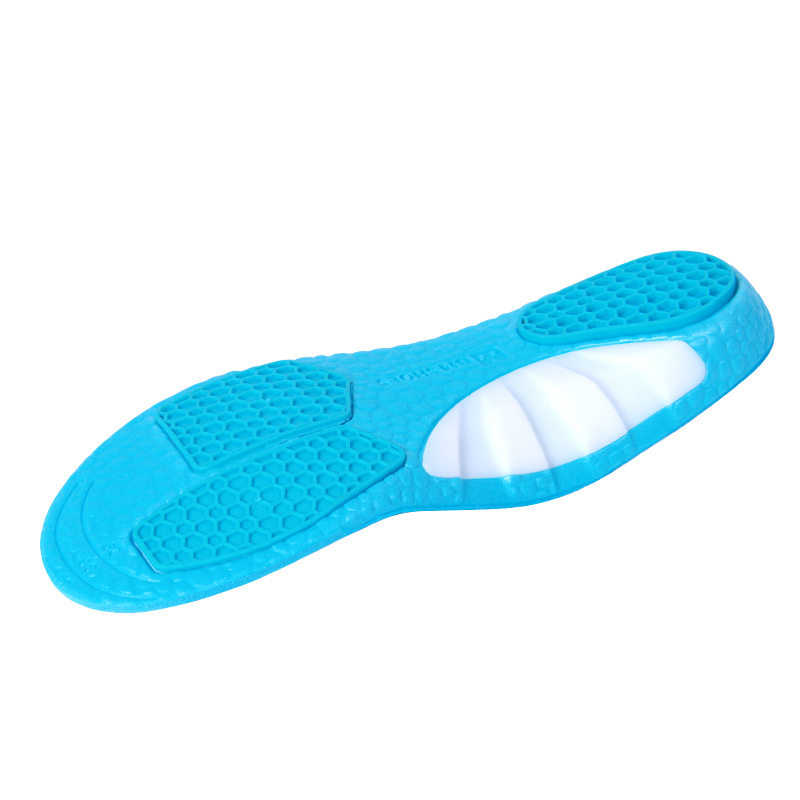
Table of Contents
- Introduction to Sports Insoles for Children
- Product Specifications
- Benefits and Usage Guidelines
- Common Questions About Sports Insoles for Children
- Conclusion and Brand Mention
Introduction to Sports Insoles for Children
Children's feet are still developing, making proper support essential to prevent discomfort, misalignment, or long-term issues. Sports Insoles for Children are designed with advanced materials and ergonomic structures to enhance stability, improve posture, and absorb impact during physical activity. These insoles are suitable for a variety of sports, including running, soccer, basketball, and general play.
The primary goal of this guide is to provide an in-depth overview of these insoles, including key features, material composition, and practical usage tips. By the end of this article, parents and caregivers will be equipped with actionable knowledge to choose the right insoles for their children's needs.
Product Specifications
High-quality Sports Insoles for Children typically include the following specifications:
| Feature | Specification |
|---|---|
| Material | Medical-grade EVA foam with anti-microbial top layer |
| Arch Support | Contoured for medium and high arches |
| Cushioning | Multi-layer shock absorption |
| Heel Cup | Deep heel cup for stability and alignment |
| Sizes Available | Children's sizes from US 10C to US 6Y |
| Durability | Designed for 6–12 months of regular sports use |
| Weight | Lightweight, approximately 35–50g per insole |
| Flexibility | Moderate flexibility for natural foot movement |
Benefits and Usage Guidelines
Sports Insoles for Children offer several advantages beyond simple comfort:
- Enhanced Stability: Proper arch support and heel alignment reduce the risk of ankle sprains and instability during dynamic movements.
- Shock Absorption: Multi-layer cushioning absorbs impact forces during running and jumping, protecting developing joints.
- Posture Improvement: Correct alignment can improve overall posture, reducing strain on knees, hips, and back.
- Odor Control: Anti-microbial materials help prevent bacterial growth and foot odor.
- Custom Fit: Adjustable insoles can be trimmed for an exact fit to different shoe sizes.
Usage Guidelines:
1. Ensure the insole fits the shoe snugly without forcing the foot.
2. Introduce insoles gradually, starting with 1–2 hours of use per day.
3. Monitor the child for any discomfort or redness during the initial adjustment period.
4. Replace insoles after signs of wear or every 6–12 months depending on usage.
Common Questions About Sports Insoles for Children
Q1: How can parents determine the correct insole size for their child?
A1: Parents should measure the child's foot length and width using a standardized sizing chart. Sports Insoles for Children often include guidelines for trimming the insole edges to achieve a perfect fit. Additionally, ensure there is no excessive pressure on the toes or heel when placed in the shoe.
Q2: Are these insoles suitable for children with flat feet?
A2: Yes. Many Sports Insoles for Children are designed with medium to high arch support but also accommodate mild flat feet. For severe cases, consult a pediatric podiatrist before selecting any orthotic insole.
Q3: How often should the insoles be replaced?
A3: Replacement depends on the level of activity and wear. Typically, high-quality insoles last between 6 to 12 months. Signs of wear, such as compression of cushioning, tears, or reduced support, indicate that replacement is necessary.
Q4: Can insoles be used in all types of sports shoes?
A4: Most Sports Insoles for Children are compatible with sneakers, athletic shoes, and some casual footwear. It is important to verify that the shoe provides enough space to accommodate the insole without compromising fit or comfort.
Q5: Do the insoles help with sports performance?
A5: While insoles do not directly improve athletic ability, proper foot support enhances balance, reduces fatigue, and minimizes the risk of injury, which indirectly contributes to better performance during sports activities.
Conclusion and Brand Mention
Choosing the right Sports Insoles for Children is crucial for promoting healthy foot development, enhancing comfort, and supporting athletic activities. Products that combine quality materials, ergonomic design, and proper sizing ensure both protection and performance. Balancemaker provides a range of expertly designed insoles that cater to children's unique foot anatomy, offering stability, cushioning, and long-lasting durability. For more information or to explore the full product lineup, contact us today to receive professional guidance.
Send Inquiry


X
We use cookies to offer you a better browsing experience, analyze site traffic and personalize content. By using this site, you agree to our use of cookies.
Privacy Policy