
What Ergonomic Foam Heel Liners Help Footwear Brands Cut High-Heel Related Negative Reviews?
Women’s shoe brands, fast fashion retailers and foot care accessory distributors constantly face mass negative feedback linked to ill-fitting high heels. Generic thin heel pads lose rebound after short wear, fail to fully wrap the heel curve, peel off during walking and cannot resolve dual pain points of shoe slippage and heel blisters at the same time. Many low-density foam liners harden after sweat soaking, triggering foot soreness and one-star ratings on cross-border retail platforms. Balancemaker women’s foam heel liners adopt high-rebound integrated sponge molding with full 180° heel wrapping contour, solving multiple consumer pain points for pump, stiletto and block heel wearers while creating high repurchase auxiliary SKUs for shoe merchants.
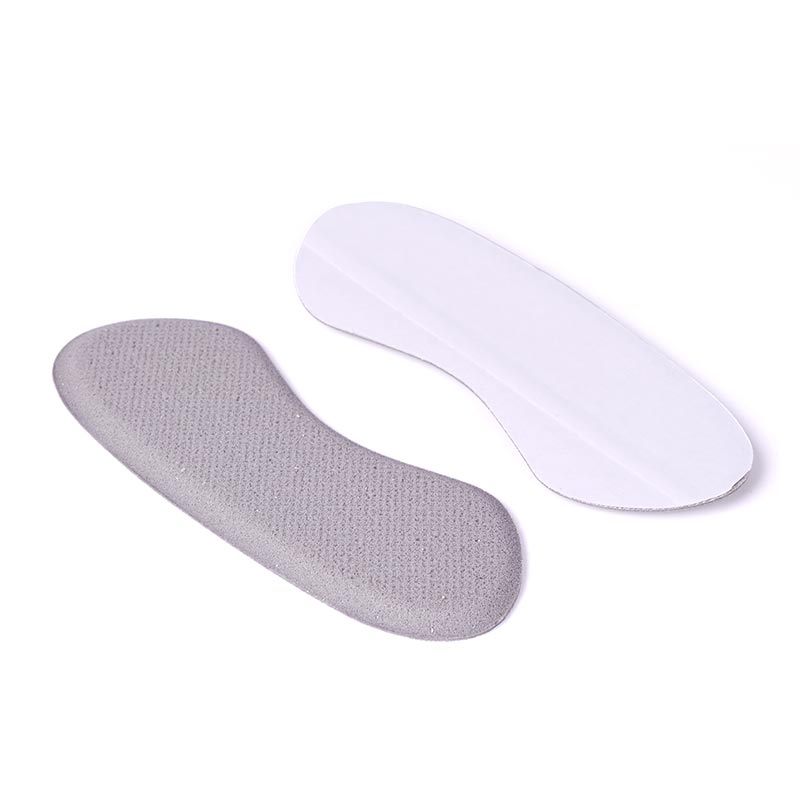
1. Full 180° arc wrapping eliminates partial friction blisters from single-sided thin pads
Most budget heel liners only cover a narrow strip of the heel rear, leaving left and right heel edges exposed to constant friction with shoe lining during walking, which quickly forms painful blisters for long-time high-heel users. This foam liner adopts ergonomic 4D curved molding to fully enclose the entire heel outline, expanding anti-abrasion contact area without bulging inside slim pointed pumps. Even after all-day standing and commuting, the lining evenly disperses friction pressure, drastically reducing consumer complaints about heel skin damage and blisters posted on Amazon, Shopify and other cross-border stores.
2. High-density resilient sponge avoids rapid collapse after repeated sweat exposure
Low-cost low-density foam heel pads flatten permanently after absorbing foot sweat, losing cushioning and slip-resistance within 1–2 days of use, forcing buyers to repeatedly repurchase cheap liners. The customized sponge raw material for this liner maintains consistent rebound performance under long-term sweat contact, never sinking flat or hardening after dozens of wear cycles. Continuous shock absorption relieves heel pressure from stiletto heels, effectively alleviating fatigue for office ladies, event staff and retail workers who stand for hours daily and raising product repeat purchase rates for distributors.
3. Integrated strong adhesive base prevents mid-walk liner displacement
Ordinary heel stickers use thin single-sided adhesive that separates from shoe lining after slight sweat or movement, sliding upward or downward while walking and losing adjustment and anti-wear functions. The liner is equipped with full-coverage pressure-sensitive adhesive backing; after simple 15-minute pressing post-installation, it stays firmly attached to leather, satin and fabric shoe inner liners through long-term walking and daily temperature changes. No frequent re-sticking troubles for end users, lowering customer service tickets about liners falling off for footwear brand merchants.
4. One-size universal design cuts multi-spec inventory capital occupation
Many foot care accessory factories split heel liners into narrow, medium and wide sizes, requiring distributors to stock multiple SKUs that occupy warehouse space and tie up working capital. This foam heel liner adopts flexible stretch sponge formula matching mainstream women’s US 5–11 shoe sizes, compatible with pointed pumps, round-toe high heels and loafers of all common widths. Wholesalers only need to stock a single universal specification to cover all female footwear matching demands, simplifying inventory sorting and accelerating goods turnover cycles for online and offline retail suppliers.
5. Sweat-resistant skin-friendly material avoids skin irritation risks
Cheap inferior foam liners contain unprocessed chemical additives that cause red, itchy heel skin after long direct contact, triggering product return requests and safety complaint risks. Balancemaker’s sponge material passes international skin contact safety testing, with neutral formula free of irritating volatile substances. Breathable foam structure accelerates slight sweat volatilization between heel and liner, preventing stuffy damp environments that breed bacteria, suitable for long daily wear and helping brands pass EU consumer product safety audits smoothly.
6. Flexible OEM customization supports fashion brand differentiated packaging sets
Homogeneous unbranded white heel liners fall into vicious low-price competition on cross-border marketplaces without unique selling points. The factory supports customized outer color box printing, private logo silk printing and mixed accessory matching schemes, allowing shoe brands to bundle liners as free gifts with new high-heel orders or launch independent foot care gift sets. Small trial batch orders are acceptable for emerging DTC fashion brands, while stable mass production capacity meets seasonal fast fashion replenishment demands for large retail chain clients.
Previous:No News
Send Inquiry


X
We use cookies to offer you a better browsing experience, analyze site traffic and personalize content. By using this site, you agree to our use of cookies.
Privacy Policy